


Most people don’t immediately think about filing a claim after an accident. In fact, the first instinct is often the opposite:
“I don’t want to make a big deal out of this.”
“I’m not the kind of person who sues people.”
Especially in smaller communities, there’s a quiet pride in handling things on your own and not turning a difficult situation into something bigger than it needs to be.
That instinct comes from a good place. No one wants unnecessary conflict. No one wants to feel like they’re taking advantage of a situation or creating problems for someone else. But that hesitation is often based on a misunderstanding of what filing an injury claim actually involves.
Is it Wrong to Sue After an Injury?
One of the biggest reasons people hesitate to take legal action is that they picture the worst-case scenario: the courtroom, arguments, and a drawn-out legal fight. But that’s not what usually happens.
In most cases, filing a claim simply means notifying an insurance company that an injury occurred and that costs are associated with it. From there, the process is largely administrative. Medical records are gathered, expenses are documented, and discussions take place between the parties involved to reach a fair resolution.
This is the distinction between suing and opening a claim. A lawsuit is a formal step that may come later if needed, but many situations never reach that point. Instead, they are resolved through negotiation with the insurance company.
That difference matters. When people ask, “Is it wrong to sue after an injury?”, they are often reacting to an image of conflict that doesn’t reflect how most claims are actually handled. A more accurate way to think about it is this: filing a claim is the process of addressing what happened through the system that already exists to handle it. It’s a starting point, not an escalation.
You’re Not Taking Money From a Person
Another common concern is the feeling that filing a claim means taking something directly from another person, especially if it involves a neighbor, a local business, or someone in your community. However, in most cases, that’s not how it works.
Personal injury claims are typically handled through insurance policies. Whether it’s auto insurance after a car accident or liability coverage for a business, these policies exist specifically to cover situations where someone is hurt and costs are incurred. The compensation comes from that policy, not directly out of someone’s personal bank account. That structure is intentional. Insurance is designed to absorb risk so that individuals aren’t personally responsible for large, unexpected expenses after an accident.
What Happens If You Don’t File an Injury Claim
It’s easy to assume that choosing not to file a claim keeps things simpler. In the moment, it can feel like the more considerate or low-conflict option. But the practical reality tends to move in the opposite direction.
Even relatively minor injuries can come with costs that add up quickly. An initial doctor’s visit turns into follow-ups. Physical therapy may be needed. Time away from work can reduce income at the exact moment expenses are increasing. Injuries that seemed manageable at first take longer to heal than expected, and even accidents with no physical injuries can cause emotional trauma that lasts for years.
A claim exists to address those exact pressures. When one isn’t filed, those costs don’t disappear; they shift entirely onto you and your family. That’s the part that often gets overlooked. Deciding not to file a claim isn’t a neutral choice. It’s a decision about who carries the financial impact of the accident.
What a Claim Is Actually For
At its core, a personal injury claim has a very specific purpose: to help make up for what was lost after an accident. That includes:
- Tangible things like medical bills, rehabilitation, and missed income
- Time spent away from work while recovering
- Non-economic damages that cause disruptions to daily life, and the effort it takes to get back to where you were before.
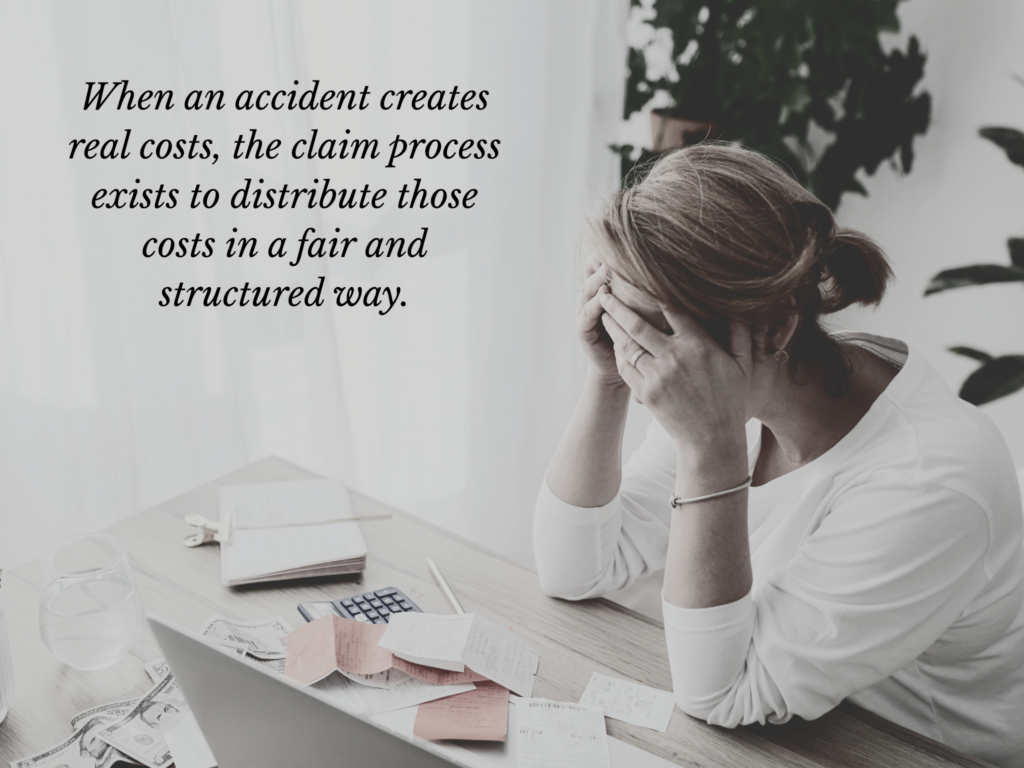
Claims are not designed to punish someone or turn a difficult situation into a windfall. The goal is balance. When an accident creates real costs, the claim process exists to distribute those costs in a fair and structured way.
This is where the role of an attorney is often misunderstood. Much of the work happens behind the scenes and includes organizing documentation, communicating with insurers, and working toward a resolution that reflects the full scope of the impact. It’s less about confrontation and more about making sure nothing important is overlooked. Seen in that light, filing a claim becomes less about assigning blame and more about restoring stability.
With the Right Attorney, You Can Approach A Claim Calmly and Without Conflict
Even after understanding how the process works, it’s normal to wonder whether things might escalate. No one wants to turn a difficult situation into an ongoing dispute.
In practice, most claims are handled in a steady, controlled way. Communication typically runs through insurance representatives and attorneys, not direct back-and-forth between individuals. The focus stays on documentation, timelines, and reaching a reasonable agreement based on the facts.
That structure is part of what keeps the process from becoming personal. A good attorney’s role is not to inflame the situation, but to manage it by:
- Keeping conversations with insurance companies productive
- Making sure details are accurate and all evidence is collected
- Helping both sides move toward resolution
- Knowing when to take action if an insurance company acts in bad faith
If you’re asking, “Should I file an injury claim?”, it usually means there are real costs or uncertainties you’re trying to sort through. Getting clear on your options doesn’t commit you to anything. But it does give you a better understanding of what’s available and what makes sense for your situation.
And while questions like “can I sue anonymously?” come up from time to time, most people find that the process itself is more routine and less exposed than they expected. Being anonymous may not ultimately matter if the case is handled professionally, with a focus on resolving the situation rather than drawing attention to it. If you’re unsure what the next step should be, it can help to talk it through with someone who understands how these cases actually work. The goal isn’t to push you toward a decision, but rather to give you clarity so you can make one with confidence.