

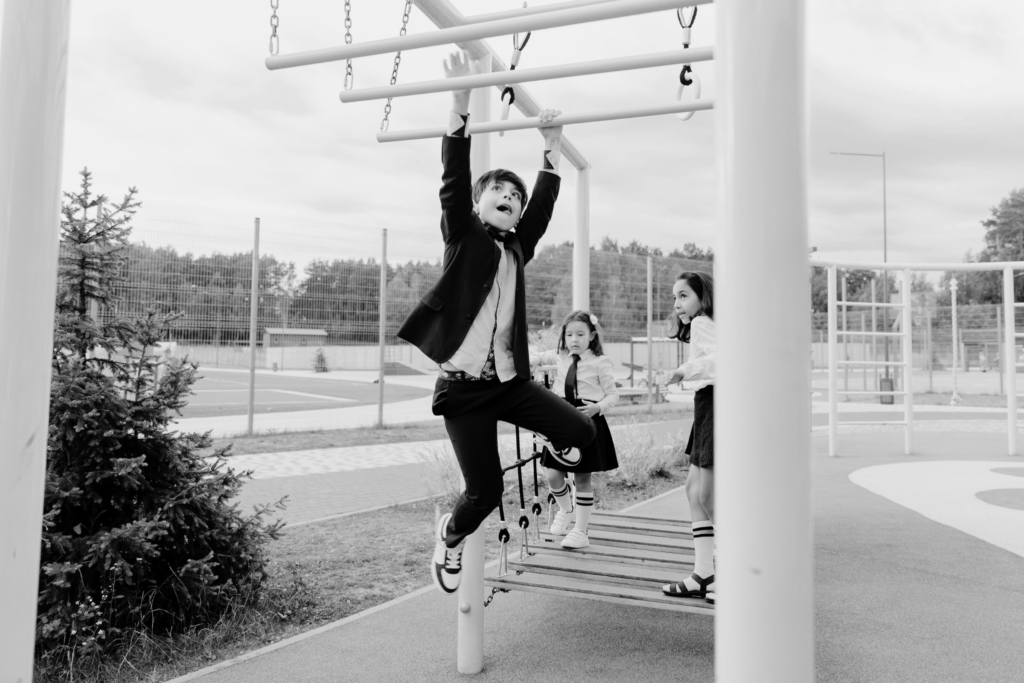
When a child is injured in a public place such as a park or school, parents are often left worrying about paying for medical bills while also tending to the child’s emotional needs. Since it happened on public property, could someone else be liable for compensating the family?
The answer is “Absolutely”. Premise liability laws apply to public facilities just as they do to private properties. City officials, school administrators, and business owners are all obligated to keep people—especially children—safe. If a child is injured on their property due to their negligence, that child is entitled to compensation.
We’ll discuss how to establish liability and why it’s best to contact an attorney to file a claim.
Premises Liability and Attractive Nuisance
Accidents that happen in public places such as stores, swimming pools, or amusement parks fall under a concept called premises liability. Premises liability means that the responsibility falls on the owner or manager of the place where an accident happens.
For a general premises liability case to be valid, it must contain three basic elements:
- The person injured was expected or invited to be on the property (not trespassing).
- The person or establishment must have control of, or manage, the property where the injury occurred.
- The responsible party must have somehow been negligent by knowing of a danger and failing to take steps to prevent injury. For instance, they knew a floor was wet but didn’t mop it up or place a “WET FLOOR” sign out to warn customers.
Premises liability injury cases involving children, however, are different. Children are often naturally attracted to certain places, like playgrounds, swimming pools, or construction sites. So, whoever is responsible for those areas or facilities must take extra measures to protect kids from getting hurt. This is known as the rule of attractive nuisance.
If a property owner or business fails to secure the premises, they can be held responsible for a child’s injuries, even if the child was trespassing during non-operational hours. The rules of attractive nuisance apply to publicly owned spaces the same as they do to private residences. Just as a parent may sue a neighbor when a child drowns in their pool, they can also sue a public pool or park.
Who is Responsible When a Child Gets Hurt?
Liability for a child’s injury depends on where the incident happened. Some of the most common locations include:
A Public Park
Playground injury liability often falls on the municipality where the park is located. The city or county is responsible for ensuring the park is safe for children, and needs to post warning signs if equipment is broken or dangerous. A child who falls off a swing after swinging too high might not be able to collect compensation; however, if the chain was loose and came undone, causing the child to fall and get badly hurt, the municipality is likely to blame.
In some cases, a playground equipment manufacturer may also be found liable, especially if the malfunction is responsible for multiple similar injuries.
A Public Pool
Public pool managers or operators carry primary responsibility for maintaining safe conditions, which includes regular inspections of equipment like diving boards and ladders. They also must ensure the water’s chemicals are properly balanced to avoid chemical burns or bacterial infections, and that adequate lifeguards are on staff to prevent drownings. Under some circumstances, government entities may be found negligent, too, if they failed to ensure the pool was being properly operated.
Sometimes, architects and engineers may share the blame if they created an unsafe pool design or didn’t meet building codes. Construction companies that installed the pool or its equipment may also be held liable.
A School
When a child has an accident at school, two of the premises liability boxes are automatically checked. The child was supposed to be at school, and the school was open and in operation. However, in order to check the last box, it must be proven that the school knew about a hazard and did nothing to fix it, or that the school or its employees acted “recklessly,” with either intention to cause harm or indifference to the safety of the student.
A Business
Commercial properties like retail stores, office buildings, or entertainment venues are held to the highest safety standards because they invite members of the public in and benefit financially from that presence. So if a child slips and falls on spilled milk at a grocery store or is injured on a broken piece of equipment at a trampoline park, the commercial business can be found liable if they failed to take measures to prevent the injury.
Kids Are Never At Fault
Whether an adult is injured on public or private property, they may share responsibility under New Mexico’s comparative negligence rule. For example, if an adult shopper slipped and fell in a “Staff Only” restricted area, the fall victim might be found 50% to blame and only receive half of the settlement amount.
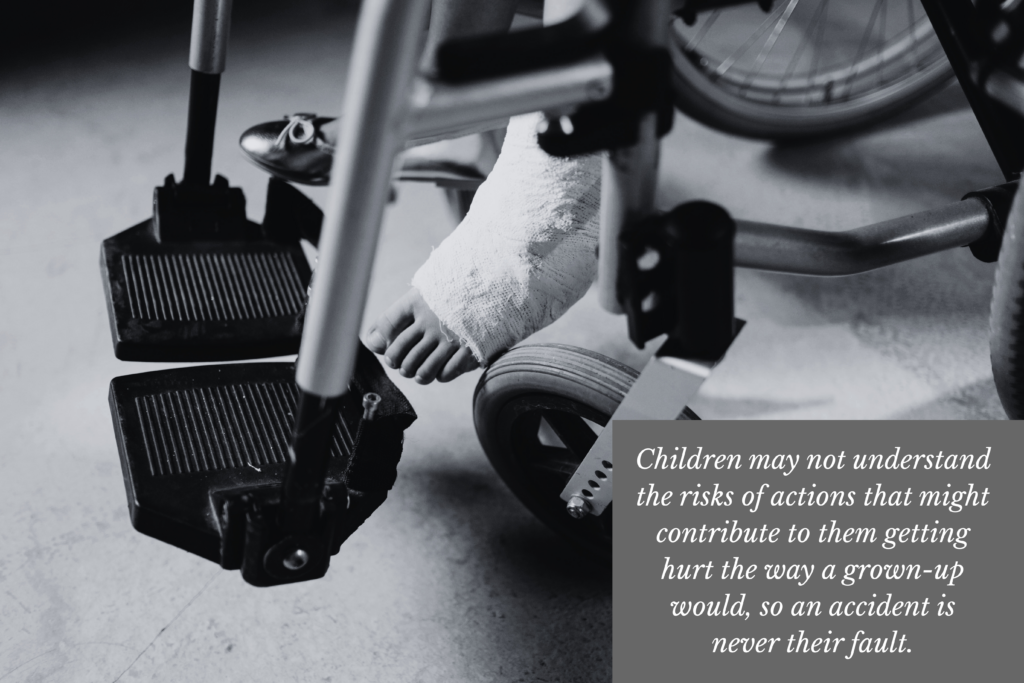
Minors, however, are not subject to comparative negligence rules. Children may not understand the risks of actions that might contribute to them getting hurt the way a grown-up would, so an accident is never their fault. They do not legally share any blame if they wander into a dangerous construction site or climb on playground equipment that says “OUT OF ORDER”. They may not even be able to read the sign.
Who Can Bring a Personal Injury Claim on Behalf Of a Child?
Because a minor has no legal standing, the child’s parent or legal guardian must file a claim for compensation after an injury. Minors receive the help of a court-appointed guardian ad litem (GAL) who works with both sides of the case to negotiate the terms of the settlement. The GAL sees that the child’s best interests are protected by making sure any compensation goes directly to the child for their physical and emotional recovery. In addition to approving the amount and terms of the settlement, a judge will sign off on the type of account (usually a trust fund or annuity) to hold the money for the minor until they turn 18. Parents do not control the money, but can petition the court to withdraw what’s needed from the account to pay for the child’s medical care, counseling, or other expenses that directly benefit them.
If no one files a claim for a child, they are allowed to file their own claim once they turn 18, even if the accident happened years before.
How Much Compensation Can a Minor Receive?
Just like an adult, children are eligible for damages that include all medical expenses for their injuries. In addition, victims may receive non-compensatory damages for emotional distress, pain and suffering, and any future care they may need due to their injuries.
Determining an accurate total for both current and future damages is crucial, especially if the injuries will affect the rest of the child’s life. Kane Personal Injury attorneys have experience in making these calculations to maximize compensation.
How an Attorney Proves Liability When a Child is Injured in a Public Place
In cases involving playground injury liability or other incidents of negligence in a public place, it’s crucial to begin collecting evidence immediately before it disappears. Seeking medical care for your child is most important, but you should also focus on gathering:
- Witness statements. Write down the names and contact information of witnesses who saw the incident or dangerous conditions, as this can support your claim.
- Photo evidence. Take pictures of your child’s injuries as well as any faulty equipment that caused or contributed to the accident.
- Incident reports. A facility or store manager should fill out an incident report summarizing how the incident happened. Ask for a copy of this.
- Medical records and bills. Keep track of all documentation that demonstrates the severity of the injury and the cost of medical care.
Hiring an attorney experienced in child personal injury cases will give you the strongest chance of receiving compensation. If you are unable to gather certain evidence, a personal injury attorney will follow up to make sure it is in your file. Your lawyer can also request maintenance logs and surveillance footage to strengthen your case even further.
Our attorneys at Kane Personal Injury have helped hundreds of parents just like you get the compensation their children deserve. We don’t get paid unless we win your case, so you have nothing to lose by contacting us.