When a passenger is injured in an airplane accident, the person at the controls may seem like the obvious place to look for answers, much as a driver might be after a car accident. But what happened in the cockpit could be connected to a repair performed weeks earlier, an equipment problem, or information the pilot never received.
Building an aviation accident claim means following those connections. A passenger may remember a sudden loss of power, for example, without knowing whether it resulted from a mechanical defect, a maintenance mistake, or a fuel-management decision. Establishing responsibility requires evidence of what happened before and during the emergency.
The Evidence Can Span an Entire Flight
Car accident investigations often begin with roadway evidence, vehicle damage, witness accounts, and video. Some require extensive reconstruction or investigation of defective parts. Aviation cases add another dimension: reconstructing a flight through changing conditions while examining pre-departure preparations and maintenance.
According to the National Transportation Safety Board’s explanation of its investigative process, an aviation accident investigation may include on-scene work and information gathered elsewhere, such as flight logs, maintenance records, and interviews. These records give physical findings context. For example, a damaged engine component found after a crash raises questions about when it failed, whether anyone reported a problem, and what repairs were performed.
Additionally, radio communications, weather reports, and flight data help investigators reconstruct the sequence: when conditions deteriorated, when a problem appeared, and how the pilot responded. Establishing that order helps distinguish what triggered the emergency from what happened afterward.
Why “Pilot Error” May Be an Incomplete Explanation in an Aviation Claim Investigation
Suppose an instrument failed and the pilot then made an unsuccessful emergency landing. Describing the crash as pilot error could overlook the failure that forced the landing. Investigators would also need to examine whether the instrument had a defect or a reported problem that went uncorrected.
The inquiry would also reach back before the emergency. Had the pilot continued despite a deteriorating forecast? Had someone reported an instrument problem that maintenance failed to correct? The evidence could point to the pilot, a maintenance provider, or several contributing actions.
Those findings help explain how the crash happened. Turning them into an aviation accident claim requires a separate assessment of each person’s legal responsibilities, something families should understand when following the federal investigation.
The NTSB Investigation and Your Claim Have Different Purposes
Families sometimes expect the NTSB’s findings to determine who must compensate them. However, the agency’s assignment is to investigate probable cause and recommend safety improvements. Under federal regulations describing NTSB investigations, the agency’s investigations are not conducted to determine the rights or liabilities of any person.
The Federal Aviation Administration also participates. The NTSB’s explanation of its party system confirms that the FAA is automatically designated a party to aviation investigations. Other organizations may participate because they provide technical expertise. Participation allows these organizations to contribute relevant information and analysis; it does not, by itself, establish fault or legal responsibility for the accident.
A civil claim serves a different purpose: to pursue legal accountability and seek compensation for recoverable losses, such as medical expenses, lost income, future medical care, and other damages permitted by law. Evidence developed during the NTSB investigation may help inform that process, but the investigation does not negotiate settlements or seek compensation on behalf of your family.
Your attorney must evaluate the available evidence, identify the parties whose conduct may give rise to liability, and determine the appropriate legal avenues for pursuing compensation.
A Small Plane Accident Claim Can Involve Several Responsible Parties
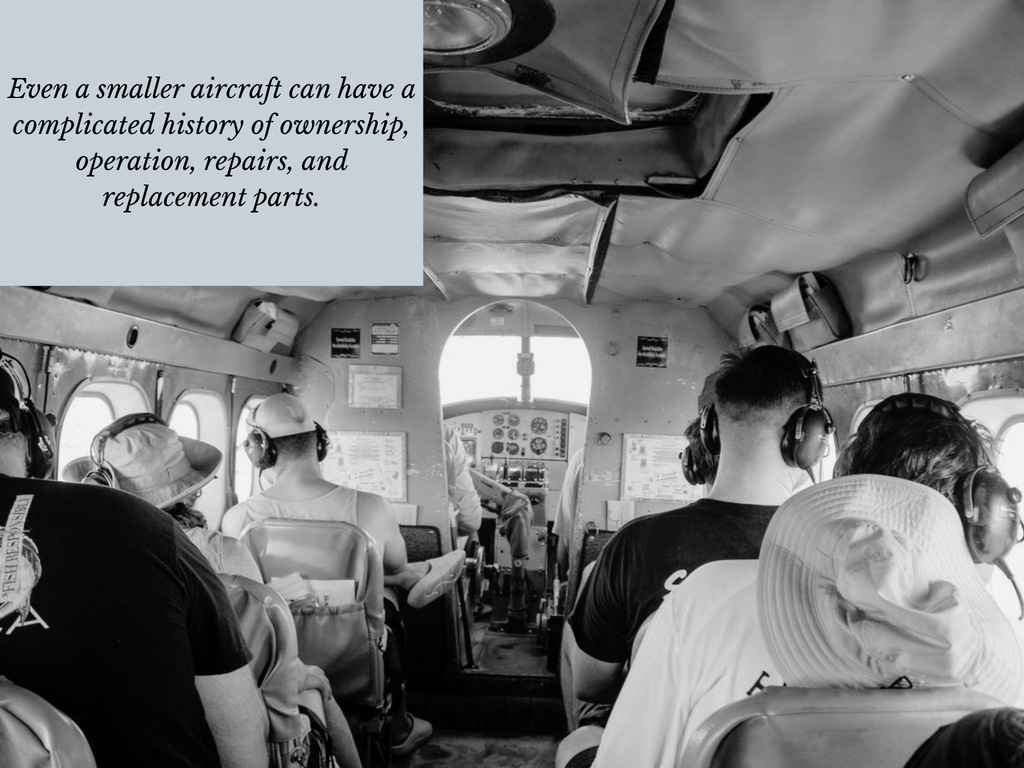
Finding potential claims starts with identifying who controlled each aspect of the flight. Even a smaller aircraft can have a complicated history of ownership, operation, repairs, and replacement parts. The pilot, owner, operator, and maintenance provider may be separate people or businesses with different duties.
The flight’s purpose matters, too. Whether you boarded a private or charter flight affects which operating rules your lawyer examines. An instructional flight raises questions about the instructor’s and student’s roles. A small plane accident claim must connect those responsibilities to the conduct that contributed to the crash.
Car claims can also involve multiple defendants, particularly when defective equipment or commercial vehicles are involved. In either setting, identifying a business is only a beginning. To pursue a claim involving faulty maintenance, your lawyer needs records showing what work was performed and evidence connecting that work to the failure.
Preserving Evidence Requires Coordination
Obtaining maintenance records and examining failed components takes coordination during an aviation accident investigation.
An airplane accident lawyer can help by:
- Requesting relevant records: Seeking maintenance logs, inspection reports, and other documents related to the aircraft and its operation.
- Tracking evidence: Identifying where important records and physical evidence are held and determining how they may be accessed.
- Coordinating expert examinations: Arranging for qualified aviation specialists to examine components or analyze technical evidence when access is permitted.
- Preserving important information: Taking appropriate steps to protect evidence that could be lost, altered, or overlooked.
You may possess other useful documents or communications that help explain what happened before, during, and after the flight. It helps to keep the following potentially relevant materials organized and preserve them in their original form whenever possible:
- Messages about mechanical concerns: Texts, emails, or other communications mentioning maintenance issues, unusual aircraft behavior, or safety concerns.
- Booking and travel documents: Reservations, tickets, itineraries, receipts, and other records connected to the flight.
- Photographs and videos: Images of the aircraft, the departure area, or other relevant circumstances.
- Communications with the operator: Emails, messages, and written statements from the airline, charter company, or other operator.
- Medical records and expenses: Treatment records, bills, prescription costs, rehabilitation expenses, and documentation of lost income, as applicable.
- Personal recollections: Written notes describing what family members or witnesses remember, including when and how they learned specific information.
While evidence is being gathered, filing deadlines still need attention. Waiting for a final investigative report does not necessarily protect your time to pursue a claim. Your attorney must address the legal timetable while working through technical questions that may take longer to resolve.
How Sam Kane’s Flying Experience Helps
An airplane accident lawyer should recognize which technical questions deserve closer examination. Samuel Kane is a licensed commercial pilot with instrument and multi-engine ratings. His experience gives Kane Personal Injury familiarity with flight planning, cockpit decisions, and aircraft performance. It helps the firm ask informed questions about what the pilot could see, what the instruments showed, and what options were available.
Specialists may still be needed to examine equipment or reconstruct the flight. Sam’s background supports those discussions by connecting technical findings with the realities of operating an aircraft. For clients, that means having an attorney who can discuss the aviation issues and explain how they affect the legal case.
Talk With Kane Personal Injury About Your Options
You do not need to interpret flight records or identify the cause of a crash before seeking help. If you or someone you love was injured in an aviation accident, contact Kane Personal Injury for a free consultation. Our team can review the circumstances, explain your options, and identify the next steps to protect your claim.